
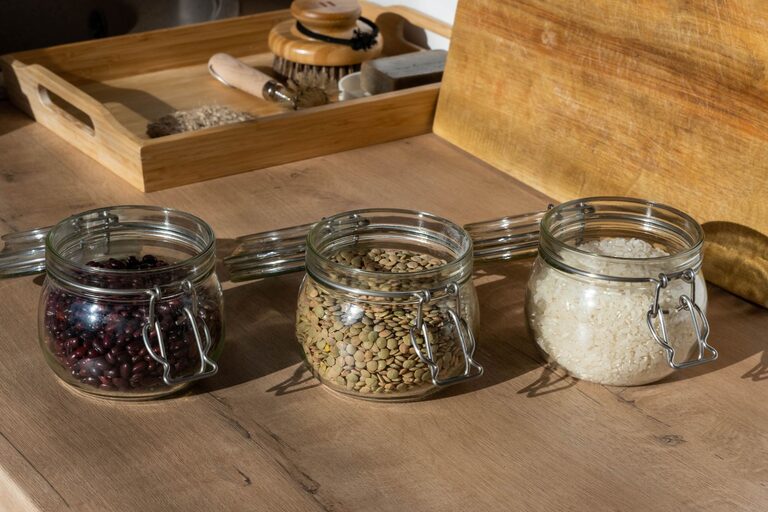
Planning meals from pantry staples is a great way to simplify your cooking routine, save money, and reduce food waste. Whether your pantry is stocked with basics like canned beans, rice, pasta, or spices, creative meal planning can help you turn these ingredients into satisfying dishes. This guide will walk you through how to organize your pantry, plan meals efficiently, and come up with tasty recipes using what you already have on hand.
Why Plan Meals from Pantry Staples?
Pantry staples are non-perishable or long-lasting ingredients that many of us keep on hand. They form the backbone of countless recipes and provide flexibility when fresh ingredients aren’t readily available. Planning meals around these staples:
– Saves money by minimizing last-minute grocery trips and impulse buys
– Cuts down on food waste by using ingredients before they expire
– Makes meal prep faster and easier, ideal for busy days
– Encourages creativity in the kitchen, as you find new ways to combine familiar foods
Step 1: Take Inventory of Your Pantry Staples
Before you start planning meals, it’s important to know what you already have. This helps avoid buying duplicates and inspires recipe ideas.
– Sort your pantry: Group items by category—grains (rice, pasta, quinoa), canned goods (beans, tomatoes), baking ingredients, spices, oils, and condiments.
– Check expiration dates: Remove anything expired or stale.
– Note quantities: Knowing how much of each item you have can help you accurately plan meals.
Creating a simple list or spreadsheet can make this process easier and serve as a reference when meal planning.
Step 2: Build a Meal Plan Around Pantry Staples
Once you know what’s available, you can start planning meals. Here are some tips:
Consider Meal Types
– Breakfast: Oatmeal with nuts and dried fruit, pancake batter made from pantry flours, or toast with nut butter.
– Lunch: Rice and bean bowls, pasta salads, or soup using canned vegetables.
– Dinner: Stir-fries, casseroles, chili, or pasta dishes using pantry ingredients as a base.
Mix and Match Ingredients
Try to create meals that use overlapping ingredients to keep shopping minimal and prevent waste. For example, if you have canned tomatoes and beans, you could make chili one night and pasta sauce another.
Plan for Fresh Additions
Even when focusing on pantry staples, some fresh ingredients like onions, garlic, or seasonal produce can elevate meals. Plan to add these to your grocery list in small quantities to complement your staples.
Step 3: Use Simple Techniques to Turn Staples into Tasty Meals
Embrace One-Pot or One-Pan Recipes
These recipes save time and dishwashing. For example:
– Chili: Combine canned beans, tomatoes, spices, and any fresh vegetables in one pot.
– Rice pilaf: Cook rice with broth, canned vegetables, and spices in a single pan.
– Pasta Primavera: Boil pasta and toss with canned vegetables, olive oil, and herbs.
Use Spices and Condiments for Flavor
Your pantry likely holds spices, dried herbs, soy sauce, mustard, vinegar, or hot sauce. These can transform simple ingredients into flavorful dishes.
Try Basic Recipes as a Base and Customize
Start with a foundational recipe like lentil soup or tomato sauce, then add whatever fresh or leftover items you have available.
Step 4: Sample Pantry Staple Meal Ideas
Here are a few easy recipes to get you started:
1. Chickpea and Tomato Curry
– Canned chickpeas
– Canned diced tomatoes
– Onion and garlic (fresh or powder)
– Curry powder or seasoning blend
– Serve with rice or flatbread
2. Pasta with Garlic and Olive Oil
– Spaghetti or any pasta
– Olive oil
– Garlic (fresh or powder)
– Red pepper flakes
– Grated cheese (optional)
3. Black Bean and Rice Burrito Bowls
– Cooked rice
– Canned black beans
– Corn (canned or frozen)
– Salsa and spices
– Toppings like sour cream or shredded cheese if available
4. Lentil Soup
– Dried or canned lentils
– Canned vegetable broth or bouillon
– Canned or fresh vegetables (carrots, celery, onion)
– Herbs such as thyme or bay leaf
Step 5: Keep Your Pantry Organized and Stocked
Maintaining an organized pantry ensures you always know what you have and makes meal planning easier.
– Use clear containers and label them
– Store similar items together
– Rotate older items to the front so they’re used first
– Keep a running list of staples to replenish when running low
Tips for Success
– Plan meals weekly rather than daily to reduce decision fatigue
– Batch cook and freeze portions for busy days
– Experiment with new spices or pantry ingredients to keep meals interesting
– Don’t hesitate to substitute items based on what you have available
Final Thoughts
Planning meals from pantry staples is a practical and rewarding way to cook. With a well-organized pantry and a little creativity, you can enjoy a variety of tasty, nutritious meals with minimal shopping and prep hassle. Start by taking stock of your pantry today, and you’ll be surprised how many delicious dishes you can create from what’s already in your kitchen!